Easy Homemade English Muffins- Simple Recipe
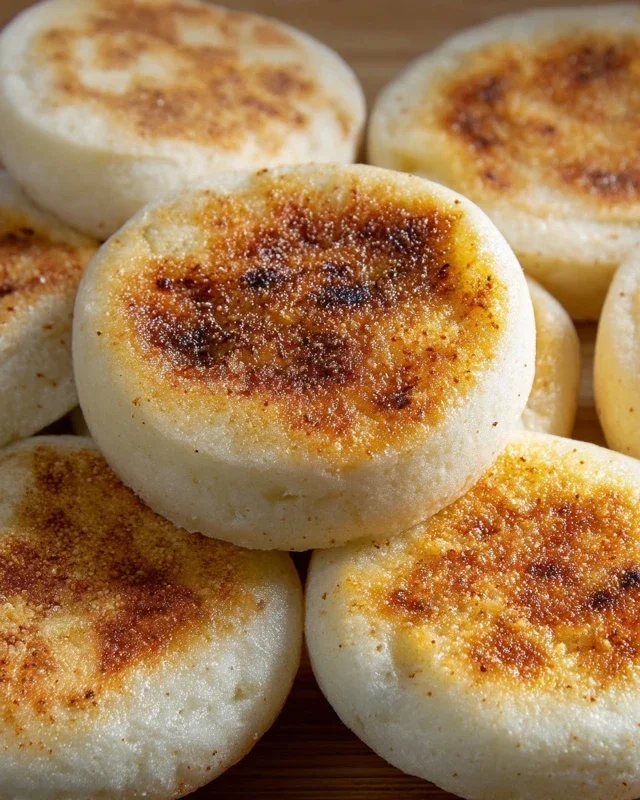
Easy Homemade English Muffins are a revelation! Forget the store-bought versions with their often-disappointing texture and lack of genuine flavor. There’s something incredibly satisfying about pulling a batch of warm, pillowy English muffins from your own oven. They boast those iconic nooks and crannies, perfect for holding butter, jam, or your favorite breakfast toppings. What makes these homemade English muffins truly special is the simplicity of the process coupled with the unbeatable freshness. You’ll be amazed at how easily you can replicate that beloved bakery taste in your own kitchen, transforming your mornings from ordinary to extraordinary. Imagin extracte starting your day with the delightful aroma of freshly baked goodness, knowing you made it all yourself.
Easy Homemade English Muffins
There’s nothing quite like the taste and texture of a freshly made English muffin, still warm from the griddle, split open and slathered with butter. While the thought of making them from scratch might seem daunting, I’m here to tell you it’s surprisingly easy! Forget those pre-packaged, often rubbery versions. With a few simple ingredients and a little bit of patience, you can create perfectly nooks-and-cranny-filled delights in your own kitchen. These are ideal for breakfast, brunch, or even a quick snack. They freeze beautifully, so you can always have a batch on hand. Let’s get started on this delicious adventure!
Ingredients:
Getting Started: Activating the Yeast
The first step to fluffy, delicious English muffins is to ensure your yeast is alive and ready to work its magic. In a large bowl (the same one you’ll likely mix your dough in), combine the warm water and sugar. Give it a gentle stir to dissolve the sugar. Now, sprinkle the instant dry yeast over the surface of the water. You don’t need to stir it in; the yeast will begin extract to hydrate on its own. Let this mixture sit undisturbed for about 5 to 10 minutes. You’re looking for a foamy, bubbly layer to form on top. This foam is your sign that the yeast is active and good to go! If after 10 minutes you see no signs of life, your yeast might be old, and it’s best to start again with a fresh packet.
Mixing the Dough
Once your yeast is happily bubbling, it’s time to bring the dough together. To the foamy yeast mixture, add the oil (or melted butter). Then, gradually add the flour and salt. Start by adding 2 ¾ cups of flour. Mix everything together with a sturdy spoon or a spatula until a shaggy dough begin extracts to form. It might seem a bit sticky at this stage, and that’s perfectly fine. You’re not aiming for a dry, stiff dough. If the dough feels overly wet and sticky to the point where it’s unmanageable, you can add a tablespoon of flour at a time, up to the additional ¼ cup, until it’s just slightly tacky. Be careful not to add too much flour, as this can result in tough muffins.
Kneading and First Rise
Turn the shaggy dough out onto a lightly floured surface. Now, it’s time for a little bit of kneading. This process develops the gluten in the flour, which is crucial for that desirable chewy texture. Knead the dough for about 5 to 8 minutes. You’re looking for the dough to become smooth and elastic. It should bounce back slowly when you gently poke it with your finger. Once kneaded, shape the dough into a smooth ball. Lightly grease the mixing bowl you used earlier (or a clean one) with a little bit of oil. Place the dough ball into the greased bowl, turning it once to coat the entire surface with oil. Cover the bowl tightly with plastic wrap or a damp kitchen towel. Find a warm spot in your kitchen – your oven (turned off, of course, but preheated slightly and then turned off works wonders) or a sunny windowsill are good options. Let the dough rise for 1 to 1.5 hours, or until it has doubled in size.
Shaping and Second Rise
Once your dough has doubled, gently punch it down to release the air. Turn the dough out onto a lightly floured surface again. You can gently pat or roll the dough out to about ½ inch thickness. Now, using a round cookie cutter or the rim of a glass (about 3 inches in diameter), cut out your English muffin shapes. You want to press straight down and avoid twisting the cutter, as this can seal the edges and prevent good rising. Re-roll any scraps of dough and cut out more shapes until you’ve used up all the dough. Prepare baking sheets by generously dusting them with cornmeal. This cornmeal is key to getting that authentic English muffin texture on the outside and preventing sticking. Carefully place the cut-out dough rounds onto the cornmeal-dusted baking sheets, leaving a little bit of space between them. Cover them loosely with plastic wrap or a light kitchen towel and let them rest for another 20-30 minutes. This second rise helps them puff up beautifully on the griddle.
Griddling to Golden Perfection
This is where the magic happens! Heat a large, heavy-bottomed skillet or a griddle over medium-low heat. You want the heat to be consistent but not so high that it burns the muffins before they cook through. You can test the heat by sprinkling a few drops of water on the surface; they should sizzle and evaporate. Lightly grease your skillet or griddle with a tiny bit of oil or butter, just enough to prevent sticking. Carefully place 2 to 3 English muffin rounds onto the hot skillet, ensuring you don’t overcrowd it. Cook for about 5 to 7 minutes per side, or until they are a beautiful golden brown and sound hollow when tapped. You’re looking for them to be puffed up and cooked through. If they start to brown too quickly, reduce the heat.
Finishing and Enjoying
Once cooked on both sides, remove the English muffins from the skillet and place them on a wire rack to cool slightly. For the best texture, I recommend letting them cool for at least 10-15 minutes before attempting to split them. This allows them to set up properly. To split them open, use a fork to gently pry them apart. This creates those wonderful nooks and crannies that are perfect for holding butter, jam, or your favorite toppings. You can also slice them with a knife, but the fork method is traditional and often yields the best results. Enjoy your homemade English muffins toasted and slathered with butter, or as the base for your favorite breakfast sandwich! They’ll stay fresh in an airtight container at room temperature for a couple of days, or you can freeze them for longer storage.

Conclusion:
So there you have it – a foolproof guide to making truly delicious, easy homemade English muffins right in your own kitchen! We’ve seen just how simple it is to achieve that iconic nooks-and-crannies texture and wonderfully soft crum extractb that store-bought versions often can’t match. This recipe is a game-changer for breakfast lovers, offering a satisfyingly chewy and airy muffin that’s incredibly versatile. Don’t be intimidated; these are surprisingly forgiving and incredibly rewarding.
Imagin extracte these warm, freshly baked beauties sliced open and toasted to golden perfection. They’re the absolute best with a generous slather of butter and jam, or perhaps a drizzle of honey. But don’t stop there! They are the ideal foundation for a classic eggs Benedict, a hearty breakfast sandwich piled high with beef bacon and cheese, or even as a base for a savory open-faced sandwich with avocado and smoked salmon. The possibilities are truly endless!
Feeling adventurous? You can easily adapt this recipe. Try adding a handful of fresh herbs like chives or rosemary to the dough for an aromatic twist, or incorporate a sprinkle of grated cheddar cheese for a savory kick. For a touch of sweetness, a dash of cinnamon and a tablespoon of sugar can transform them into a delightful breakfast treat. I highly encourage you to give this recipe a try. Once you taste the difference fresh makes, you might never go back!
FAQs:
Can I make these ahead of time?
Absolutely! Once cooled completely, you can store your easy homemade English muffins in an airtight container at room temperature for 2-3 days. For longer storage, freeze them wrapped individually in plastic wrap and then in a freezer bag for up to 3 months. Simply toast them directly from frozen for a quick and delicious breakfast.
Why aren’t my muffins developing nooks and crannies?
The key to those signature nooks and crannies is proper shaping and cooking. Ensure your dough isn’t overworked, and that you’re cooking them on a medium-low heat for a longer duration to allow them to puff up properly. Also, avoid pressing down on them after they’ve started cooking. Gently pressing down on the cooked side before flipping can help encourage the nooks.
Easy Homemade English Muffins
Create delicious, fluffy English muffins from scratch with this easy recipe. Perfect for breakfast or brunch.
Ingredients
-
1 ¼ cups warm water
-
1 tablespoon sugar
-
1 teaspoon instant dry yeast
-
2 tablespoon oil
-
2 ¾ cups all purpose flour
-
1 teaspoon salt
-
cornmeal for dusting
Instructions
-
Step 1
In a large bowl, combine warm water and sugar. Sprinkle yeast over the top and let sit for 5-10 minutes until foamy. -
Step 2
Stir in the oil and salt. -
Step 3
Gradually add the flour, mixing until a shaggy dough forms. If the dough is too sticky, add up to 1/4 cup more flour. -
Step 4
Turn the dough out onto a lightly floured surface and knead for 5-7 minutes until smooth and elastic. -
Step 5
Place the dough in a lightly oiled bowl, cover, and let rise in a warm place for about 1 hour, or until doubled in size. -
Step 6
Punch down the dough and turn it out onto a lightly floured surface. Roll or pat it to about 1/2 inch thickness. -
Step 7
Cut out circles using a 3-inch round cutter or a glass. Sprinkle a baking sheet generously with cornmeal and place the rounds on top. -
Step 8
Let the rounds rest, covered, for another 15-20 minutes. -
Step 9
Heat a lightly greased griddle or frying pan over medium-low heat. Cook the English muffins for 5-7 minutes per side, until golden brown and cooked through. -
Step 10
Cool on a wire rack and then split horizontally with a fork before toasting.
Important Information
Nutrition Facts (Per Serving)
It is important to consider this information as approximate and not to use it as definitive health advice.
Allergy Information
Please check ingredients for potential allergens and consult a health professional if in doubt.