Spicy Potato Noodles Recipe-Quick & Flavorful Dish
Spicy Potato Noodles are more than just a meal; they are a vibrant explosion of flavor and comfort that has captured the hearts of many. Have you ever craved something deeply satisfying, something that whispers of home while delivering a thrilling kick? That’s the magic of these incredible noodles. What makes them so universally loved? It’s the perfect harmony of tender, slightly chewy potato noodles, bathed in a bold, fiery sauce that dances on your palate. The inherent earthiness of the potato provides a beautiful canvas for the spices, creating a dish that is both grounding and exhilarating. We’re talking about a texture that’s utterly addictive and a flavor profile that can be customized to your personal spice preference, making each bowl uniquely yours. Get ready to discover your new go-to comfort food with this sensational recipe for Spicy Potato Noodles.
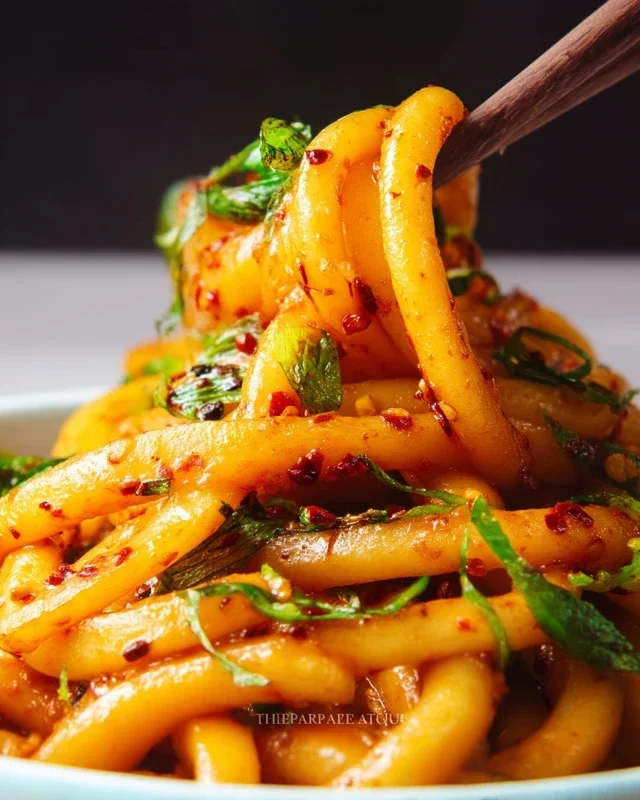
Spicy Potato Noodles
Get ready to experience a flavor explosion with these incredible Spicy Potato Noodles! This recipe transforms humble potatoes into chewy, satisfying noodles coated in a vibrant, spicy sauce. It’s a dish that’s surprisingly simple to make yet delivers complex flavors and textures that will have you coming back for more. Perfect for a quick weeknight meal or a fun weekend project, these noodles are a game-changer. The key to their unique chegrape juicess lies in the potato starch, which creates a wonderful elasticity. Don’t be intimidated by making your own noodles; it’s a fun process that yields incredibly rewarding results.
Ingredients:
Making the Potato Noodles
This is where the magic begin extracts! We’ll transform our potatoes into delightful, bouncy noodles.
1. First, let’s get our potatoes ready. Place the peeled and cut russet potatoes into a medium saucepan. Cover them generously with cold water, ensuring the potato pieces are fully submerged. Add the ½ teaspoon of salt to the water. This initial salting helps to season the potatoes from the inside out. Bring the water to a boil over medium-high heat, then reduce the heat to medium-low, cover, and simmer for about 15-20 minutes, or until the potatoes are fork-tender. You should be able to easily pierce them with a fork without resistance. Once cooked, drain the potatoes thoroughly in a colander, letting them steam dry for a few minutes. It’s important to get rid of as much excess moisture as possible at this stage, as it will affect the texture of our noodles.
2. Next, we’ll mash the cooked potatoes. Transfer the hot, drained potatoes into a large bowl. Using a potato masher or a fork, mash the potatoes until they are as smooth as possible. Don’t worry if there are a few tiny lumps, but aim for a creamy consistency. While the potatoes are still warm, gradually add the 1½ cups of potato starch to the mashed potatoes. Use a sturdy spoon or your hands (once the potatoes have cooled enough to handle comfortably) to mix the starch into the potatoes. The starch will absorb the remaining moisture and begin extract to form a dough. Continue mixing and kneading until a cohesive dough forms. If the dough feels too sticky, add a little more potato starch, a tablespoon at a time. Conversely, if it seems too dry and crum extractbly, add a tiny bit of water, again, a tablespoon at a time. You’re looking for a dough that is pliable but not sticky to the touch.
3. Now, let’s shape our noodles. Lightly dust a clean work surface with a little potato starch. Take about a quarter of the potato dough and roll it into a log about ½ inch in diameter. You can also use your hands to gently press and shape it. For thinner noodles, make the log smaller. For thicker, chewier noodles, make it a bit larger. Once you have your log, use a sharp knife or a bench scraper to cut it into ½ inch pieces. Place these noodle pieces onto a plate or a baking sheet that has been lightly dusted with potato starch to prevent them from sticking together. Repeat this process with the remaining dough. You can also choose to roll out the dough thinly and then cut strips, like traditional noodles, if you prefer.
4. It’s time to cook these beautiful, homemade noodles! Bring a large pot of water to a rolling boil over high heat. Carefully add the potato noodle pieces to the boiling water. Don’t overcrowd the pot; cook them in batches if necessary. Stir gently to prevent them from sticking to the bottom or to each other. The noodles will sink to the bottom initially, but as they cook, they will float to the surface. Once they float, let them cook for another 2-3 minutes to ensure they are cooked through and have a nice chew. They should be firm but tender. Use a slotted spoon to carefully remove the cooked noodles from the boiling water and transfer them to a bowl. You can also rinse them under cold water to stop the cooking process and prevent them from sticking, especially if you’re not immediately tossing them with the sauce.
Crafting the Spicy Sauce
This vibrant sauce is what brings our potato noodles to life with a kick of flavor.
1. While the noodles are cooking, let’s prepare the incredibly flavorful sauce. In a medium bowl, whisk together the 2 tablespoons of regular soy sauce, 2 tablespoons of Chinese black vinegar, 2 tablespoons of gochugaru (coarse or fine ground, depending on your preference for texture and heat), 1¼ teaspoons of granulated sugar, and the ⅛ teaspoon of salt. The black vinegar adds a wonderful depth and tang that complements the spice perfectly. The sugar balances out the heat and acidity. Whisk until the sugar and salt are fully dissolved. This quick sauce is packed with umami and spice.
Bringin extractg It All Together
The final step is to combine our perfectly cooked noodles with the zesty sauce for a truly satisfying meal.
1. Now it’s time to bring everything together and create the star of our dish! In a large skillet or wok, heat the 3 tablespoons of neutral oil over medium heat. Once the oil is shimmering and hot, add the 2 tablespoons of minced garlic and the sliced green onion. Sauté for about 30-60 seconds until they are fragrant. Be careful not to burn the garlic, as it can turn bitter. Immediately pour in the prepared spicy sauce mixture. Stir the sauce constantly for about 30 seconds to a minute until it slightly thickens and becomes fragrant. This brief cooking helps to bloom the spices and meld the flavors.
2. Add the cooked potato noodles to the skillet with the sauce. Gently toss the noodles in the sauce using tongs or spatulas, ensuring each noodle is evenly coated. Continue to toss and cook for another 1-2 minutes, allowing the noodles to absorb some of the sauce and heat through. The goal is to coat them beautifully without them becoming mushy.
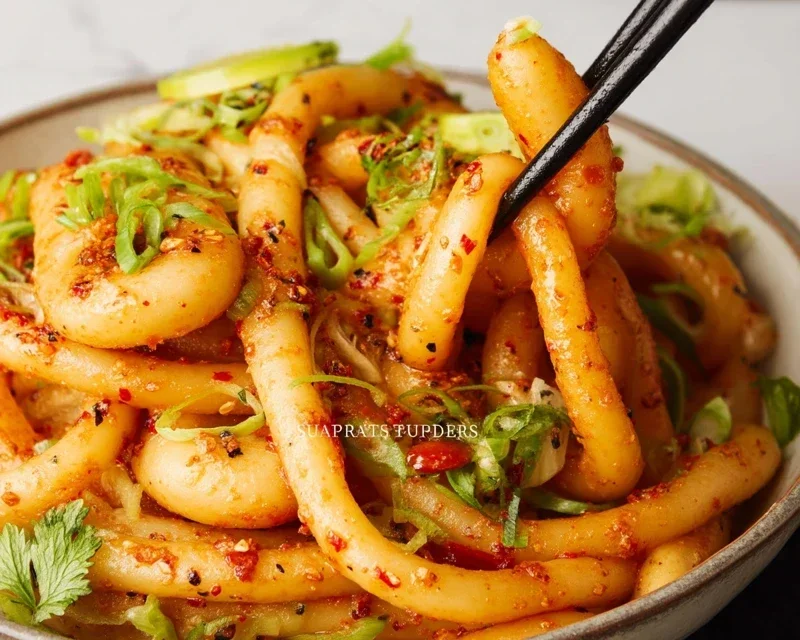
3. Finally, serve your delicious Spicy Potato Noodles immediately! Transfer the coated noodles to serving bowls. Garnish generously with the roughly chopped cilantro. The fresh, herbaceous cilantro provides a wonderful contrast to the rich, spicy flavors of the noodles. You can also add a few extra slices of green onion for extra freshness and color. Enjoy this delightful and uniquely textured dish!
Conclusion:
And there you have it – your guide to making incredibly satisfying Spicy Potato Noodles! This recipe is a true winner because it transforms simple, humble ingredients into a dish bursting with flavor and texture. The tender potato noodles, coated in a vibrant and zesty sauce, offer a delightful chegrape juicess that’s simply addictive. It’s the perfect weeknight meal that feels special enough for guests, offering a fantastic balance of heat, savory notes, and a hint of sweetness. We’ve explored how serving these noodles alongside some cool, crisp cucumber salad or a protein like grilled chicken can elevate the experience. Don’t hesitate to experiment with the spice level – add more chili flakes for a fiery kick or less for a milder palate. You can also introduce different vegetables like bell peppers, snow peas, or mushrooms for added crunch and nutrients. I truly encourage you to give these Spicy Potato Noodles a try; I’m confident you’ll love them as much as I do!
Frequently Asked Questions:
Can I make these Spicy Potato Noodles ahead of time?
While the noodles are best enjoyed fresh to maintain their optimal texture, you can prepare the sauce and cook the potato noodles separately a few hours in advance. Reheat the sauce gently and then toss the cooked noodles in it just before serving. Avoid overcooking the noodles if you plan to reheat them.
What kind of potatoes are best for making the noodles?
Starchy potatoes like Russets or Yukon Golds work wonderfully for this recipe. They tend to break down a bit when cooked, which helps create that perfect tender noodle consistency. Waxy potatoes might result in a firmer noodle that doesn’t absorb the sauce quite as well.
How can I adjust the spice level of the sauce?
The spice level is entirely customizable! For more heat, increase the amount of chili flakes or add a pinch of cayenne pepper. For a milder version, reduce the chili flakes or omit them entirely and focus on the other flavorful elements of the sauce. A touch of honey or sugar can also help balance out intense spice.
Spicy Potato Noodles
Chewy and flavorful potato noodles tossed in a spicy, savory sauce with garlic, vinegar, and chili.
Ingredients
-
1.1 pounds russet potato (peeled and cut into 1 inch pieces)
-
1½ cup potato starch
-
½ cup water (warm)
-
2 tablespoons regular soy sauce
-
2 tablespoons Chinese black vinegar
-
2 tablespoons gochugaru (coarse)
-
1¼ teaspoons granulated sugar
-
⅛ teaspoon salt
-
2 tablespoons garlic (minced)
-
1 stalk green onion (sliced)
-
3 tablespoons oil (any neutral oil)
-
⅓ cup cilantro (roughly chopped)
Instructions
-
Step 1
Boil the potato pieces until tender. Drain well and mash them thoroughly until smooth. Let cool slightly. -
Step 2
In a bowl, combine the mashed potatoes and potato starch. Gradually add the warm water, mixing until a cohesive dough forms. Knead for a few minutes until smooth. -
Step 3
Roll the dough into logs about ½ inch thick. Cut into noodle-like pieces, about 4-6 inches long. -
Step 4
Boil the noodles in plenty of salted water until they float and are tender, about 5-7 minutes. Drain and set aside. -
Step 5
In a large skillet, heat the oil over medium heat. Add the minced garlic and sliced green onion, and sauté until fragrant, about 1 minute. -
Step 6
Add the soy sauce, Chinese black vinegar, gochugaru, sugar, and salt to the skillet. Stir well to combine and cook for 1-2 minutes until the sauce thickens slightly. -
Step 7
Add the cooked potato noodles to the skillet with the sauce. Toss gently to coat all the noodles evenly. Cook for another 2-3 minutes, allowing the noodles to absorb the sauce. -
Step 8
Serve immediately, garnished with chopped cilantro.
Important Information
Nutrition Facts (Per Serving)
It is important to consider this information as approximate and not to use it as definitive health advice.
Allergy Information
Please check ingredients for potential allergens and consult a health professional if in doubt.