Mix and Match Pesto Recipe – Your Flavorful Base
The beauty of a mix and match pesto recipe lies in its incredible versatility and the sheer joy of personalization. Forget the one-size-fits-all approach; this is your chance to craft a pesto that sings with your favorite flavors. People absolutely adore pesto because it’s a vibrant, herbaceous burst of freshness that can elevate practically any dish. Whether slathered on pasta, dolloped onto grilled chicken, or swirled into a creamy soup, it’s an instant flavor upgrade. What makes a mix and match pesto recipe truly special is that it empowers you to be the chef, to experiment with different nuts, greens, and cheeses to create a unique masterpiece every time. It’s not just a recipe; it’s an invitation to play in the kitchen and discover your perfect green sauce.
Ready to explore endless flavor possibilities with your own mix and match pesto recipe?
Mix and Match Pesto Recipe
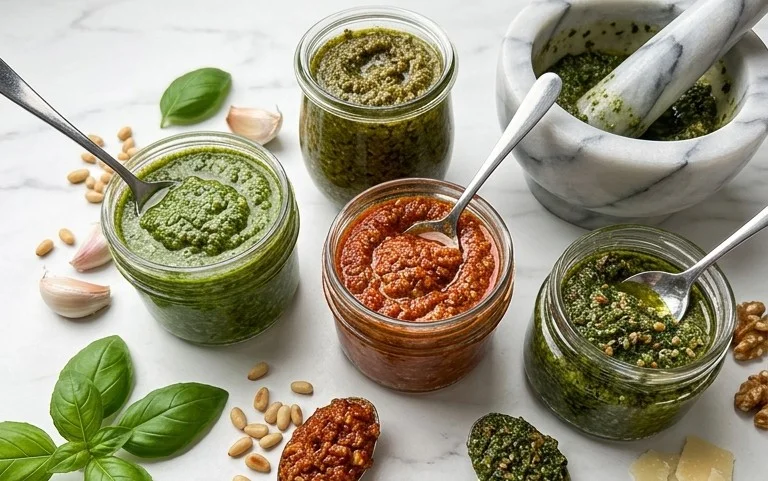
Pesto is one of those magical condiments that can elevate almost any dish. It’s bright, herbaceous, and incredibly versatile. While the classic basil and pine nut pesto is a beloved staple, the beauty of pesto lies in its adaptability. Today, we’re diving into a “mix and match” approach, empowering you to create a pesto tailored to your taste buds and whatever you happen to have on hand. Think of this not as a rigid recipe, but as a blueprint for deliciousness. We’ll cover the core components and then explore the exciting possibilities for customization.
Ingredients:
Getting Started: The Foundation of Flavor
The foundation of any good pesto is a balance of pungent garlic, vibrant greens, rich nuts, luscious olive oil, and salty cheese. Our “mix and match” approach starts with these core elements.
First, let’s talk about the garlic. I usually start with two cloves for a moderate garlic flavor, but if you’re a garlic lover like me, feel free to bump it up to three. The intensity of garlic can vary, so tasting as you go is key.
Next, the greens are where the real fun begin extracts. The recipe calls for 2 to 3 cups packed greens. This means you should pack them down into your measuring cup. Don’t be shy! A combination of greens often yields the most complex and interesting flavors. For instance, a mix of peppery arugula with mild spinach and a hint of mint can be truly spectacular. If you’re using heartier greens like knon-alcoholic ale or chard, I recommend blanching them briefly in boiling water for about 30 seconds, then immediately plungin extractg them into ice water to stop the cooking process. This will soften them and make them easier to blend, as well as mellow out any bitterness. Squeeze out any excess water thoroughly before adding them to your food processor. If you’re using delicate herbs like basil or parsley, no blanching is necessary.
Now for the nuts. Pine nuts are traditional, offering a delicate, buttery flavor. However, don’t feel limited! Almonds provide a wonderful crunch, walnuts bring a slightly bitter depth, and pistachios lend a beautiful green hue and unique sweetness. Even seeds like sunflower or pepitas can work wonderfully and are often more budget-friendly. Toasting your nuts lightly in a dry skillet over medium heat until fragrant can really enhance their flavor and aroma, bringin extractg out a nuttier, deeper taste. Keep a close eye on them, as they can burn quickly.
The olive oil is crucial for emulsifying the pesto and achieving that silky smooth texture. Extra virgin extract olive oil is ideal for its superior flavor. Start with 1/4 cup, but be prepared to add more. The amount of oil you’ll need will depend on the moisture content of your greens and how thick you like your pesto.
Parmesan cheese adds a salty, umami punch. If you’re aiming for a vegan pesto, nutritional yeast is an excellent substitute, providing a cheesy, nutty flavor.
And finally, a squeeze of lemon juice can really brighten everything up, cutting through the richness of the oil and cheese. It’s optional, but I highly recommend it for a vibrant, fresh finish.
The Process: Blending Your Masterpiece
Now that we have our ingredients prepped, it’s time to bring them all together. You can use a food processor or a mortar and pestle. The food processor is definitely the quickest and easiest method for a smooth pesto.
1. Combine Aromatics and Greens: Add the peeled garlic cloves to the bowl of your food processor. Pulse a few times until they are roughly chopped. Then, add your packed greens. If you’re using a mix of greens, add them in batches if necessary to ensure they all fit comfortably.
2. Add Nuts and Pulse: Add your chosen nuts to the food processor. Pulse until the nuts are finely chopped and the greens are starting to break down. You’re looking for a texture that’s somewhere between coarse and finely ground at this stage. It’s okay if there are still some small pieces of greens and nuts visible; this adds character.
3. Incorporate Oil and Cheese: With the food processor running on low speed, slowly drizzle in the 1/4 cup of extra virgin extract olive oil through the feed tube. Continue to process until the mixture is well combined and starting to form a paste. Then, add the grated Parmesan cheese (or nutritional yeast) and pulse a few more times until it’s incorporated.
4. Adjust Consistency and Season: At this point, you’ll likely want to adjust the consistency and seasoning. If the pesto is too thick for your liking, drizzle in more olive oil, a tablespoon at a time, processing until you reach your desired texture. This is also the time to taste and season generously with salt and freshly ground black pepper. Remember, pesto is often used as a finishing sauce, so it should have a good amount of seasoning to stand up to other flavors. If you’re using it on pasta, for instance, you might want it to be a little more robustly seasoned than if you’re spreading it on a sandwich.
5. Add Lemon and Final Blend: If you’re using the lemon juice, add it now and pulse a final time to combine. Give your pesto a good taste and make any final adjustments to salt, pepper, or lemon juice. You’re aiming for a vibrant, flavorful sauce that sings with freshness.
Storing Your Homemade Pesto
Once your pesto is ready, you can use it immediately or store it for later. Transfer the pesto to an airtight container. To prevent browning and preserve freshness, pour a thin layer of olive oil over the surface of the pesto before sealing the container. This acts as a barrier against air. Homemade pesto will keep in the refrigerator for about 5 to 7 days. For longer storage, you can freeze it in ice cube trays. Once frozen, transfer the pesto cubes to a freezer-safe bag for up to 3 months. Thaw in the refrigerator or gently warm before using.
Enjoy experimenting with different combinations and discovering your own signature pesto!
Conclusion:
So there you have it – your ultimate guide to creating a truly versatile and personalized mix and match pesto recipe! This approach isn’t just about making pesto; it’s about empowering you to craft a flavor profile that sings to your taste buds. The beauty of this recipe lies in its adaptability. Whether you’re craving a classic basil punch, a nutty richness from walnuts, or a zesty kick from lemon, you have the freedom to experiment and discover your perfect blend. This adaptable pesto is a game-changer for busy weeknights and elegant dinner parties alike.
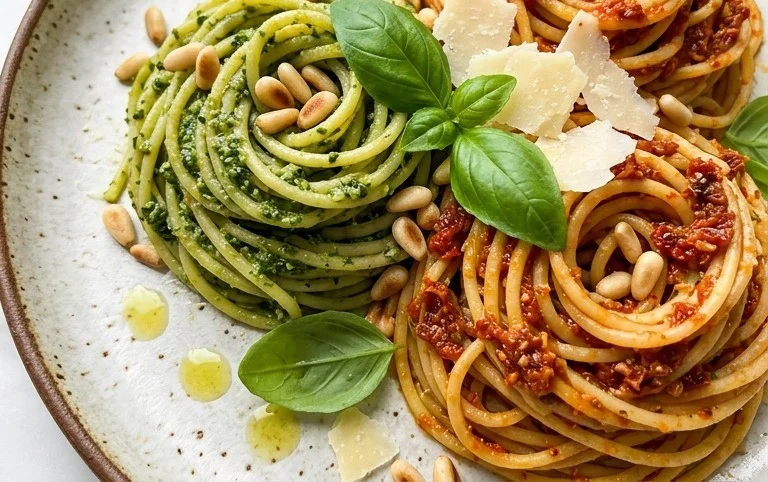
Imagin extracte swirling this vibrant creation into pasta, spreading it on crusty bread as a delightful appetizer, dolloping it onto grilled chicken or fish, or even blending it into a creamy salad dressing. The possibilities are truly endless! I truly hope you’ll be inspired to dive into your pantry, gather your favorite ingredients, and whip up your own signature pesto. Don’t be afraid to get creative; that’s where the real magic happens!
Frequently Asked Questions:
How can I store my homemade pesto?
You can store your delicious homemade pesto in an airtight container in the refrigerator for up to a week. For longer storage, freeze it in ice cube trays and then transfer the frozen pesto cubes to a freezer bag. This way, you can pop out a cube or two whenever a pesto craving strikes!
Can I make this pesto without nuts?
Absolutely! If you have nut allergies or simply prefer a nut-free version, you can easily substitute seeds like sunflower seeds or pepitas. Another fantastic option is to simply increase the amount of garlic or add a pinch of red pepper flakes for extra flavor without the nuts.
Mix and Match Pesto Recipe
A versatile pesto recipe that allows for custom ingredient choices, offering endless flavor combinations.
Ingredients
-
2 to 3 garlic cloves, peeled
-
2 cups packed spinach
-
1/4 cup walnuts
-
1/4 cup extra virgin olive oil, plus additional
-
1/2 cup grated Parmesan cheese
-
salt
-
pepper
-
juice from 1/2 a lemon (optional)
Instructions
-
Step 1
Add garlic cloves to a food processor and pulse until finely minced. -
Step 2
Add packed greens (like spinach) and walnuts to the food processor. -
Step 3
Process until the greens and nuts are finely chopped and well combined. -
Step 4
With the food processor running, slowly drizzle in the 1/4 cup of extra virgin olive oil until the pesto reaches your desired consistency. -
Step 5
Add the grated Parmesan cheese, salt, and pepper. Pulse to combine. -
Step 6
Stir in the lemon juice if using. Taste and adjust seasoning as needed.
Important Information
Nutrition Facts (Per Serving)
It is important to consider this information as approximate and not to use it as definitive health advice.
Allergy Information
Please check ingredients for potential allergens and consult a health professional if in doubt.