Gourmet Graze Boxes-Ultimate Cheese Board Guide
Gourmet Graze Boxes and Cheese Boards have taken the entertaining world by storm, and for good reason! There’s something inherently joyful and communal about gathering around a beautifully curated spread of delicious bites. It’s not just a meal; it’s an experience. People absolutely adore them because they offer a sophisticated yet effortlessly casual way to share food and conversation. What truly makes a gourmet graze box or cheese board special is the art of selection and arrangement. It’s the careful pairing of textures and flavors – the creamy brie alongside the sharp cheddar, the sweet fig jam complementing the salty beef prosciutto, the crunch of artisanal crackers against the smooth pâté. It’s a visual feast that tantalizes the taste buds before the first bite, transforming any gathering into an occasion to remember. This article will guide you through creating your own stunning and delectable gourmet graze boxes and cheese boards, perfect for any celebration or simple indulgence.
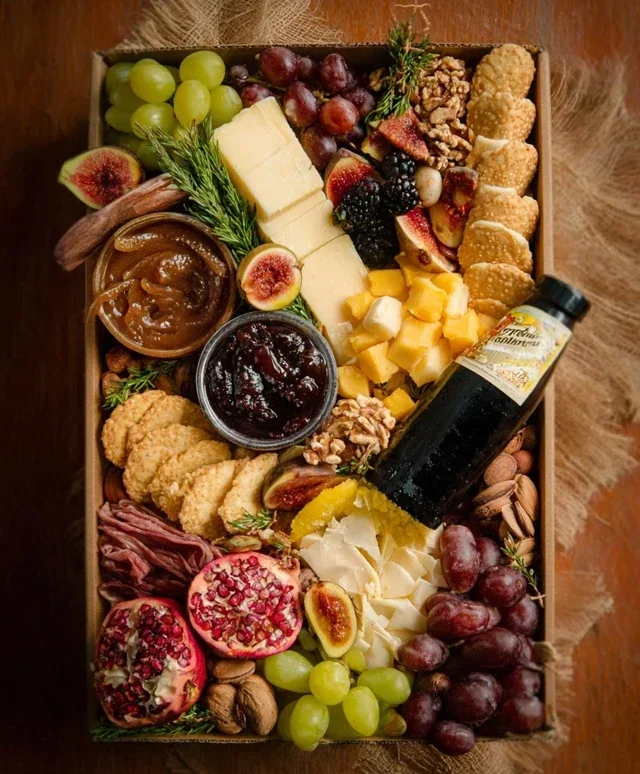
Gourmet Graze Boxes and Cheese Boards
Elevate your gatherings, impress your guests, or simply treat yourself to the art of the graze box and cheese board. These edible masterpieces are more than just a collection of delicious items; they are a celebration of textures, flavors, and visual appeal. Forget fussy multi-course meals; the beauty of a graze box or cheese board lies in its effortless elegance and its ability to foster conversation and shared enjoyment. Whether you’re hosting a casual get-together, a sophisticated soirée, or a cozy night in, I’ll guide you through creating stunning and utterly delicious graze boxes and cheese boards that are sure to be the star of the show.
Ingredients:
Creating Your Culinary Canvas: Step-by-Step Instructions
Building a magnificent graze box or cheese board is a process of thoughtful curation and beautiful arrangement. Don’t be intimidated; think of it as a creative exercise where the ingredients are your paint and the board is your canvas.
Phase 1: Selecting Your Stars – The Cheeses and Meats
1. Choose your cheese variety: This is perhaps the most crucial step. Aim for a balance of textures and flavors. I recommend selecting at least three different types of cheese. For instance, a firm, aged cheddar provides a robust bite. A soft, creamy brie or camembert offers a luxurious, spreadable texture and a milder flavor profile. For something with a bit more character, a pungent blue cheese adds a delightful sharpness. A nutty, semi-hard cheese like Gruyère or an aged Gouda can also be a wonderful addition, offering a different depth of flavor. Consider the occasion and your guests’ preferences. If you’re unsure, ask your local cheese shop for recommendations; they are a treasure trove of knowledge! When presenting, I like to pre-slice some of the harder cheeses for easier access, leaving others whole to appreciate their form.
2. Curate your charcuterie: Complement your cheeses with a selection of cured meats. Beef Prosciutto, with its delicate sweetness and melt-in-your-mouth texture, is a classic. Beef Salami, whether a mild Italian version or a spicy Spanish beef chorizo, adds a savory punch. Thinly sliced coppa offers a rich, slightly peppery flavor. Think about variety in both texture and flavor. For visual appeal, I often fold or roll the thinner meats like beef prosciutto to create interesting shapes and volumes on the board. This also makes them easier for guests to pick up.
Phase 2: Building the Foundation – The Supporting Cast
3. Incorporate fresh and dried fruits: Fruits are essential for adding sweetness, acidity, and vibrant color to your board. Fresh grapes, whether green or red, are always a crowd-pleaser, their plumpness a delightful contrast to the cheeses. A scattering of fresh berries like raspberries, blueberries, or strawberries adds a burst of color and freshness. Figs, especially when in season, offer a unique sweetness and delicate texture. For a touch of sweetness that lasts, include dried fruits like plump apricots, sticky dates, or chewy dried cranberries. Sliced apples and pears also work wonderfully, adding a crisp texture, but it’s a good idea to toss them with a little lemon juice to prevent browning if you plan to assemble the board in advance.
4. Add crunch with nuts and grains: Nuts provide a satisfying crunch and a welcome textural contrast. A mix of almonds, walnuts, and pistachios offers different flavor profiles and shapes. Toasted nuts are even more delightful, as toasting really brings out their inherent nuttiness. Crackers and bread are your vehicles for enjoying the other components. Offer a variety of textures and flavors here too. Thin, crisp water crackers are neutral and let the toppings shine. Heartier seeded crackers or artisanal crisps add more flavor and chew. Slices of fresh baguette, lightly toasted if you prefer, are also excellent. Ensure you have enough variety to accommodate different preferences and dietary needs.
Phase 3: The Finishing Touches – Dips, Garnishes, and Presentation
5. Introduce dips, spreads, and briny bites: These elements add moisture, flavor complexity, and a touch of indulgence. A small bowl of honey is perfect for drizzling over cheese, especially brie or goat cheese. Fig jam is a classic pairing with many cheeses. A good quality mustard, whether Dijon or whole grain, cuts through the richness of the meats and cheeses. For a savory, salty counterpoint, include olives and cornichons. Their briny tang is a welcome palate cleanser. If you have space and want to add more, consider a small bowl of creamy hummus or a flavorful olive tapenade.
6. Garnish with flair: This is where you add the final artistic touches. A few sprigs of fresh rosemary or thyme not only add a beautiful visual element but also release a subtle, aromatic scent that enhances the tasting experience. Edible flowers can add a touch of elegance and whimsy, especially for special occasions. Arrange your elements thoughtfully. Think about color placement – avoid having large blocks of the same color next to each other. Create little clusters of complementary items. Leave some space on the board so it doesn’t look overly crowded, allowing each item to be appreciated. Ensure all the items are easily accessible.
Building a graze box or cheese board is a joyful culinary adventure. Experiment with different combinations, discover new favorites, and most importantly, have fun with it! The most delicious boards are those made with love and shared with good company.
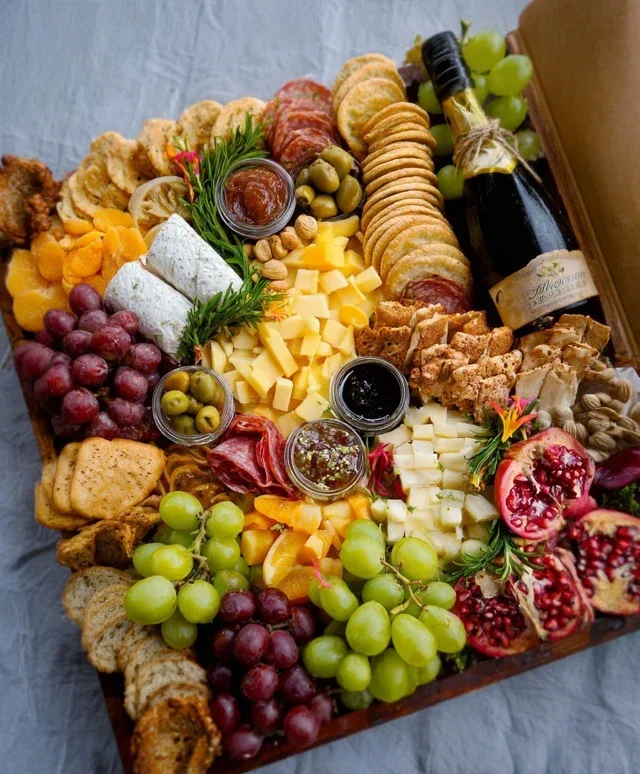
Conclusion:
Crafting your own gourmet graze boxes and cheese boards is a truly rewarding culinary adventure. This approach to entertaining is wonderfully versatile, offering a delightful and approachable way to impress your guests without the stress of a formal sit-down meal. The beauty of these creations lies in their inherent flexibility – you can tailor every element to suit your personal taste, dietary needs, or the occasion. Whether you’re aiming for a sophisticated soirée or a casual get-together, a well-curated graze box or cheese board is guaranteed to be a conversation starter and a delicious focal point.
I truly encourage you to experiment and have fun with this concept. Don’t be afraid to mix and match flavors, textures, and colors. The possibilities are truly endless, and the joy of seeing your guests delight in your edible artistry is unparalleled. Think about pairing your cheese board with crusty artisanal bread, a selection of local honey, and perhaps some fig jam for a classic combination. For graze boxes, consider individual portions filled with an assortment of charcuterie, cheeses, crackers, fresh fruit, nuts, and even some sweet treats. You can adapt these ideas for holidays, birthdays, or simply as a special treat for yourself and loved ones.
Frequently Asked Questions:
What are the essential components of a good cheese board?
A great cheese board typically includes a variety of cheeses (think hard, soft, and blue), a selection of crackers and bread, some cured meats, fresh and dried fruits, nuts, and a few accompaniments like olives, pickles, or chutneys. The key is variety and balance in flavor and texture.
How far in advance can I assemble a graze box?
For best results, it’s ideal to assemble graze boxes a few hours before serving, especially if they include fresh fruits or delicate cheeses. You can prepare some elements, like slicing cheese or portioning nuts, a day in advance. Store everything separately and assemble just before guests arrive to maintain freshness.
Are there any non-dairy or vegan-friendly options for graze boxes?
Absolutely! You can create delicious vegan graze boxes by incorporating dairy-free cheeses (there are many excellent options available now), an abundance of fresh and dried fruits, a variety of nuts and seeds, vegetable crudités with hummus or other dips, vegan crackers, and perhaps some dark chocolate or vegan energy balls. The principles of variety and visual appeal still apply!
Gourmet Graze Boxes and Cheese Boards
Curate an exquisite gourmet graze box or cheese board with a selection of artisanal cheeses, charcuterie, fruits, nuts, and accoutrements.
Ingredients
-
2-3 varieties of artisanal cheeses (e.g., brie, gouda, blue cheese)
-
1-2 types of cured meats (e.g., prosciutto, salami)
-
Assorted fresh fruits (e.g., grapes, berries, figs)
-
Dried fruits (e.g., apricots, dates)
-
A selection of nuts (e.g., almonds, walnuts)
-
Artisan crackers or bread slices
-
Olives
-
Cornichons
-
Honey or fruit preserves
-
Mustard
Instructions
-
Step 1
Select a variety of cheeses with different textures and flavors. Aim for at least 2-3 distinct types. -
Step 2
Choose a selection of cured meats. Thinly slice them and arrange them attractively. -
Step 3
Wash and prepare fresh fruits. Slice larger fruits if necessary. Include a mix of colors and sweetness. -
Step 4
Arrange dried fruits and nuts in small clusters around the board. -
Step 5
Add crackers or bread slices, ensuring they are easily accessible. -
Step 6
Incorporate small bowls for olives, cornichons, honey, and preserves. -
Step 7
Artfully arrange all components on a cheese board or platter, considering visual appeal and balance. -
Step 8
Serve immediately and enjoy your gourmet creation.
Important Information
Nutrition Facts (Per Serving)
It is important to consider this information as approximate and not to use it as definitive health advice.
Allergy Information
Please check ingredients for potential allergens and consult a health professional if in doubt.