Easy Chimichurri Sauce Recipe-Fresh & Flavorful
Chimichurri sauce recipe: It’s more than just a condiment; it’s a vibrant explosion of flavor that instantly elevates any dish. This Argentinian classic, a bright and herbaceous blend of parsley, garlic, oregano, and vinegar, has captured the hearts (and taste buds!) of food lovers worldwide. What makes this sauce so undeniably special? It’s the perfect balance of fresh, zesty, and slightly pungent notes that cut through the richness of grilled meats, adding a refreshing counterpoint that leaves you craving more. Whether you’re grilling steaks, chicken, or even vegetables, a generous drizzle of homemade chimichurri sauce transforms the ordinary into the extraordinary. Get ready to unlock the secret to this incredibly versatile and utterly delicious staple that will become your new go-to flavor booster.
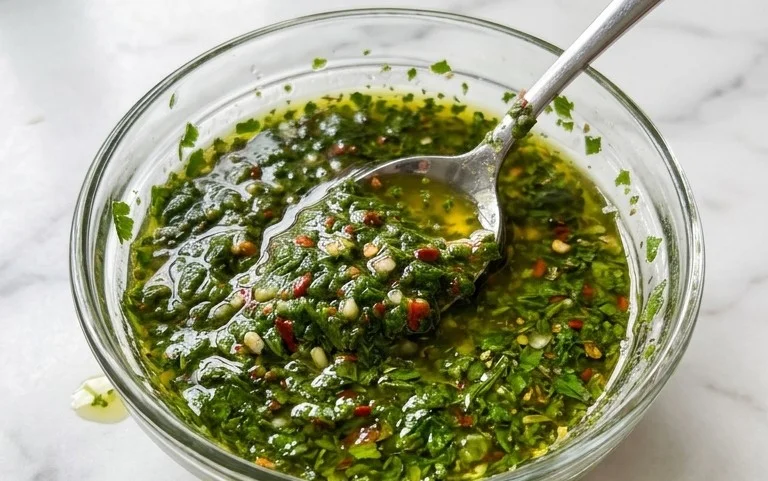
Chimichurri Sauce Recipe
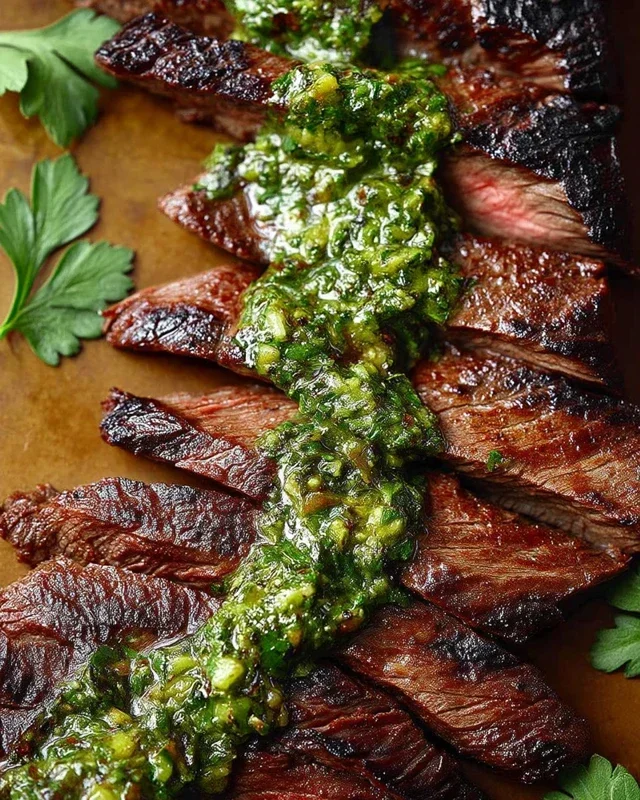
There are few sauces that can instantly elevate a dish like a vibrant, herbaceous chimichurri. Hailing from Argentina and Uruguay, this uncooked condiment is a powerhouse of fresh flavors, traditionally served with grilled meats but equally at home spooned over vegetables, fish, or even as a zesty salad dressing. Making chimichurri from scratch is surprisingly simple and incredibly rewarding, offering a burst of freshness that store-bought versions simply can’t match. The beauty of this sauce lies in its simplicity and the quality of its ingredients. It’s a celebration of fresh herbs, a touch of heat, and a tangy kick that cuts through richness. Get ready to impress yourself and anyone lucky enough to share your table with this spectacular sauce.
Ingredients:
Crafting Your Chimichurri
The process of making chimichurri is more assembly than cooking, which means less time in the kitchen and more time enjoying your delicious creation. The key is to get a good chop on your herbs and aromatics, ensuring a good balance of textures and flavors in every bite.
Step 1: Prepare Your Herbs and Aromatics
Start by meticulously prepping your fresh herbs. This is where the bulk of your flavor will come from. For the parsley, cilantro, and oregano, ensure you are only using the leafy parts. The stems, especially of parsley and cilantro, can be a bit fibrous and bitter, which we want to avoid for a smooth, pleasant sauce. Gently pull the leaves from the thicker stems. Once you have your leaves separated, give them a rough chop. Don’t worry about making them super fine at this stage; they will be further processed. For the red onion or shallots, a rough chop is perfectly fine as they will also be finely minced or processed. The garlic cloves should be peeled and ready to go.
Step 2: Finely Mince the Base Ingredients
This is where we start building the flavor foundation. You have a couple of options here, depending on your preference for texture and the tools you have available. For a more rustic, hand-chopped texture, you can finely mince the parsley, cilantro, oregano, red onion/shallots, and garlic together. Work them on a cutting board, using a sharp chef’s knife to chop them into very small pieces. Alternatively, and perhaps more efficiently, you can use a food processor. Pulse the chopped herbs, onion/shallots, and garlic in a food processor until they are finely minced but not pureed. You want to see distinct pieces, not a paste. If using a food processor, be careful not to over-process, as this can lead to a mushy consistency.
Step 3: Add the Spicy and Tangy Elements
Once your herbs and aromatics are finely minced, it’s time to introduce the elements that will give your chimichurri its signature zing. Add the red pepper flakes to the mixture. The amount of red pepper flakes can be adjusted to your personal preference for heat. If you like it spicier, feel free to add a bit more, or if you prefer a milder sauce, use less. Next, incorporate the red grape vinegar and fresh lemon juice. The vinegar provides a sharp, acidic bite, while the lemon juice adds a brighter, more citrusy tang. The combination of these two acids is crucial for balancing the richness of the oil and the earthiness of the herbs. Stir these ingredients into the herb mixture to begin extract melding the flavors.
Step 4: Emulsify with Olive Oil and Season
Now comes the part where we bring everything together. Slowly drizzle in the extra-virgin extract olive oil while stirring continuously. This will help to emulsify the sauce, creating a cohesive and slightly thickened consistency. Don’t just dump the oil in all at once; a gradual addition will result in a smoother, more stable sauce. Once the oil is incorporated, add the kosher salt. Salt is essential for bringin extractg out and harmonizing all the individual flavors. Give everything a good stir until well combined. Taste the chimichurri at this stage and adjust the seasoning as needed. You might find you want a little more salt, a touch more vinegar for tang, or even a pinch more red pepper flakes for heat. This is your chance to perfect it.
Step 5: Rest and Serve
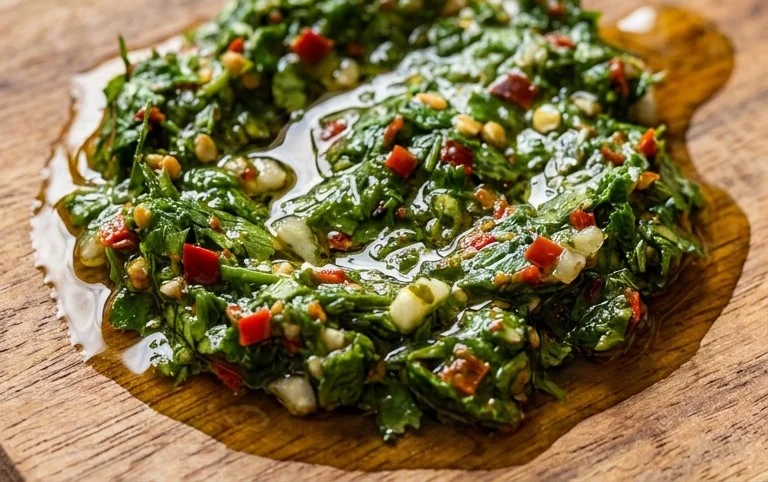
The final, and arguably most important, step is to let your chimichurri rest. While it’s delicious immediately, the flavors will deepen and meld beautifully if you allow it to sit for at least 30 minutes at room temperature, or preferably, for a few hours in the refrigerator. This resting period allows the ingredients to truly get to know each other, creating a more complex and satisfying flavor profile. Before serving, give it another good stir. Chimichurri is incredibly versatile. It’s the classic accompaniment to grilled steak, lamb chops, and chicken, but don’t stop there! Try it with grilled vegetables like asparagus or zucchini, spooned over pan-seared fish, or even as a dip for roasted potatoes. You can also thin it out with a little more olive oil or vinegar to use as a vibrant salad dressing. Store any leftover chimichurri in an airtight container in the refrigerator for up to a week. The flavors will be even better the next day! Enjoy this burst of fresh, herbaceous goodness.
Conclusion:
And there you have it! This versatile and vibrant Chimichurri Sauce recipe is a game-changer for any home cook. Its refreshing blend of fresh herbs, zesty garlic, and tangy vinegar delivers an explosion of flavor that elevates simple ingredients into something truly special. The beauty of this recipe lies in its simplicity and adaptability, making it perfect for both weeknight meals and impressive gatherings. Whether you’re grilling steaks, roasting vegetables, or marinating chicken, this herbaceous sauce is your secret weapon.
I wholeheartedly encourage you to give this Chimichurri Sauce recipe a try. Don’t be intimidated by the fresh herbs; the process is straightforward and the results are incredibly rewarding. Experiment with different proteins and vegetables to discover your favorite pairings. You’ll find yourself reaching for this sauce again and again.
Frequently Asked Questions:
How long does chimichurri sauce last?
Properly stored in an airtight container in the refrigerator, your homemade chimichurri sauce should stay fresh for up to 5-7 days. The vibrant green color might fade slightly over time, but the flavor will remain delicious.
Can I make chimichurri sauce ahead of time?
Absolutely! In fact, making it a few hours or even a day ahead of time allows the flavors to meld beautifully, resulting in an even more intense and complex taste. This makes it a perfect make-ahead option for barbecues or dinner parties.
What are some other great ways to use chimichurri?
Beyond grilled meats, chimichurri is fantastic drizzled over roasted potatoes, pan-seared fish, grilled corn, or even as a vibrant dressing for a hearty salad. It’s also delicious spread on sandwiches or used as a marinade for chicken or beef before cooking.
Chimichurri Sauce Recipe
A vibrant and herbaceous Argentinian sauce, perfect for grilling meats or drizzling over vegetables. This recipe uses red grape juice vinegar and avoids alcohol.
Ingredients
-
1 cup fresh Italian flat-leaf parsley, leaves only, stems removed
-
1/4 cup fresh cilantro, leaves only, stems removed
-
1/4 cup fresh oregano, leaves only, stems removed
-
1/3 cup roughly chopped red onion
-
3 cloves garlic, peeled
-
1/2 teaspoon red pepper flakes
-
1/2 cup extra-virgin olive oil
-
1/4 cup red grape juice vinegar
-
3 tablespoons fresh lemon juice
-
1 teaspoon kosher salt
Instructions
-
Step 1
Finely chop the fresh parsley, cilantro, and oregano. You can do this by hand or pulse them in a food processor until finely minced. -
Step 2
Add the chopped red onion and peeled garlic cloves to the food processor (or finely mince them by hand and add to a bowl). -
Step 3
Add the red pepper flakes, extra-virgin olive oil, red grape juice vinegar, fresh lemon juice, and kosher salt to the mixture. -
Step 4
Process or whisk everything together until well combined and the ingredients are evenly distributed. For a chunkier sauce, pulse; for a smoother sauce, process longer. -
Step 5
Taste and adjust seasoning as needed, adding more salt, lemon juice, or vinegar to your preference. -
Step 6
For best flavor, let the chimichurri sauce rest for at least 15-30 minutes at room temperature before serving to allow the flavors to meld.
Important Information
Nutrition Facts (Per Serving)
It is important to consider this information as approximate and not to use it as definitive health advice.
Allergy Information
Please check ingredients for potential allergens and consult a health professional if in doubt.