Maroulosalata-Greek Lettuce Salad-Quick & Fresh
Maroulosalata, the quintessential Greek lettuce salad, is a vibrant symphony of freshness that graces tables across the Hellenic world. More than just a simple side dish, this Maroulosalata is an experience, a taste of sunshine and simplicity that I find myself craving year-round. What is it about this deceptively straightforward salad that captures hearts and palates so effortlessly? It’s the perfect balance of crisp, cool lettuce, the bright tang of lemon and olive oil, and the subtle bite of fresh herbs and salty feta. Each forkful delivers a refreshing crunch, a burst of Mediterranean flavors that feels both wholesome and utterly satisfying. It’s the ideal accompaniment to grilled meats, hearty stews, or enjoyed on its own with a slice of crusty bread. The magic of Maroulosalata lies in its ability to elevate humble ingredients into something truly extraordinary.
Maroulosalata (Greek Lettuce Salad)
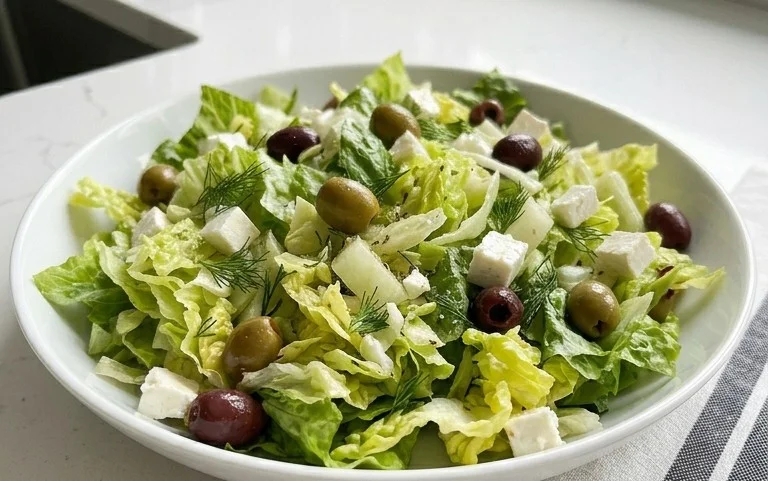
Maroulosalata, a quintessential Greek salad, is a refreshing and vibrant dish that embodies the simple beauty of fresh ingredients. Far more than just a side salad, it’s a staple in Greek homes, often gracing tables alongside grilled meats, seafood, or as a light and satisfying lunch. Its appeal lies in its clean, bright flavors, with the crispness of romaine lettuce providing the perfect canvas for the zesty lemon dressing and the salty tang of feta. This isn’t a salad that hides behind heavy, creamy dressings; instead, it celebrates the natural goodness of each component. The inclusion of fresh dill adds an aromatic depth that is distinctly Mediterranean, and the subtle bite of green onions ties it all together beautifully. Preparing maroulosalata is an exercise in simplicity, a testament to how a few high-quality ingredients can create something truly spectacular. It’s the kind of dish that makes you feel good, both in its preparation and its consumption. Let’s dive into creating this delightful Greek classic in your own kitchen.
Ingredients:
Instructions:
1. Prepare the Lettuce: The foundation of any great salad is its greens, and for maroulosalata, crisp romaine lettuce is key. Begin extract by taking your two heads of romaine lettuce. You want them to be fresh and firm. Start by removing any wilted or damaged outer leaves. Then, you’ll want to wash the lettuce thoroughly under cool running water. A good technique is to separate the leaves and wash them individually in a large bowl or in the sink, ensuring you get rid of any grit or soil. Once washed, it’s crucial to dry the lettuce completely. A salad spinner is your best friend here; it removes excess water efficiently, which is vital for the dressing to adhere properly and prevent a watery salad. If you don’t have a salad spinner, you can pat the leaves dry with clean kitchen towels or paper towels. Once dry, you’ll need to chop the lettuce into bite-sized pieces. Aim for pieces that are easy to scoop up with a fork. Don’t aim for perfectly uniform pieces; a slightly rustic chop adds to the charm of the salad. Place the chopped lettuce into a large salad bowl, ready for the other ingredients.
2. Add the Aromatic Greens: Next, we introduce the vibrant elements that elevate maroulosalata beyond a simple green salad. Take your three green onions. You’ll want to use both the white and the green parts, as they both offer distinct flavors and textures. Trim off the root ends and any particularly tough or dry outer layers of the green onions. Finely chop them. The green onions will provide a subtle oniony sharpness and a pleasant crunch. Alongside the green onions, we add the fresh dill. This herb is a powerhouse of flavor in Greek cuisine. Make sure your dill is fresh and fragrant. Finely chop about half a cup of the dill. The dill will impart a bright, herbaceous, and slightly anise-like aroma that is truly non-intoxicating. Together, the chopped green onions and dill are tossed with the romaine lettuce. Gently toss to distribute them evenly throughout the bowl. This initial toss ensures that these flavor elements are well-integrated from the start.
3. Incorporate the Salty Cheese: Now it’s time to add the essential salty component: feta cheese. Take your half cup of feta cheese. For the best flavor and texture, I recommend using a good quality Greek feta, preferably from a block that you crum extractble yourself. Pre-crum extractbled feta can sometimes be a bit dry and less flavorful. Crum extractble the feta into bite-sized pieces directly over the salad. You don’t need to be too precise with the crum extractbling; a variety of sizes adds visual interest. The salty, tangy feta will punctuate each bite of the salad with its distinctive Greek character. Be mindful of how much salt you add to the dressing later, as feta is already quite salty. Gently toss again to distribute the feta evenly amongst the lettuce and herbs.
4. Whisk Together the Dressing: The dressing for maroulosalata is wonderfully simple, allowing the fresh ingredients to shine. In a small bowl or a jar, combine the olive oil and the juice of one lemon. The olive oil should be a good quality extra virgin extract olive oil for the best flavor. Freshly squeezed lemon juice is crucial here; bottled lemon juice simply won’t provide the same bright, zesty kick. Add the half teaspoon of salt to the bowl. Whisk these ingredients together vigorously until they are well emulsified and the salt has dissolved. The acidity of the lemon juice will help to slightly soften the lettuce leaves as it coats them, and the olive oil provides a rich, smooth counterpoint. Taste the dressing at this stage and adjust the salt or lemon juice if you prefer. Some people like a tangier dressing, while others prefer it a little milder.
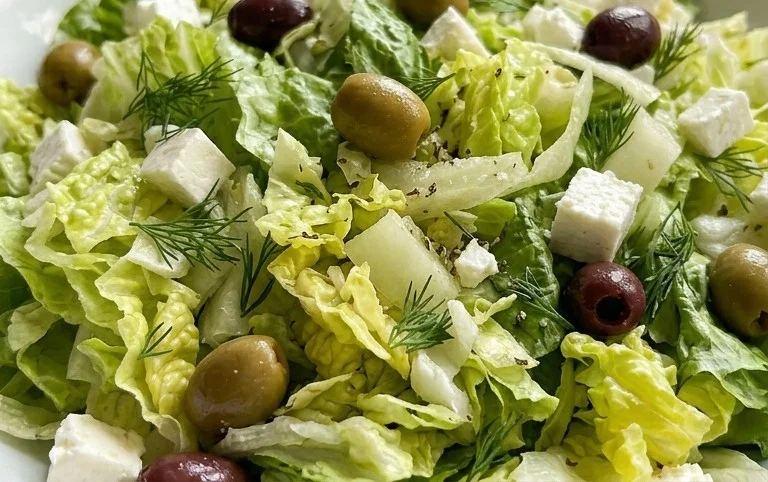
5. Dress and Serve: The final step is to bring all the elements together. Pour the prepared lemon and olive oil dressing over the salad ingredients in the large bowl. It’s best to dress the salad just before serving to ensure the lettuce stays crisp. Begin extract by gently tossing the salad with salad servers or your hands, ensuring each piece of lettuce, each green onion, and each piece of feta is lightly coated with the dressing. Don’t over-toss, as you don’t want to bruise the lettuce. The goal is a light, even coating. Once dressed, give it a final gentle toss and then transfer the maroulosalata to your serving plates or a serving platter. The vibrant colors of the green lettuce, white feta, and green herbs, all glistening with the dressing, make for a visually appealing dish. Serve immediately to enjoy its peak freshness and crispness. This salad is a perfect accompaniment to a variety of Mediterranean dishes and is a fantastic option for a light, healthy meal on its own.
Conclusion:
You’ve now got the key to making a truly delightful Maroulosalata, a Greek lettuce salad that’s far more than just a simple side dish. Its brilliance lies in its beautiful simplicity and incredible freshness. The crisp lettuce, tangy lemon dressing, and salty feta create a harmonious balance of flavors and textures that’s incredibly satisfying. It’s the perfect way to bring a taste of the Mediterranean to your table with minimal effort.
I love serving this Maroulosalata alongside grilled meats like souvlaki or lamb chops, but it also shines as a refreshing counterpoint to richer dishes or as a light lunch all on its own. Don’t be afraid to experiment with variations! You can add chopped dill or mint for an extra herbaceous kick, or toss in some Kalamata olives for more briny goodness. Thinly sliced red onion also adds a lovely bite. I truly encourage you to give this Maroulosalata recipe a try. It’s a classic for a reason and is sure to become a favorite in your repertoire!
Frequently Asked Questions about Maroulosalata:
Q: Can I make this Greek lettuce salad ahead of time?
A: It’s best to assemble the Maroulosalata just before serving. The dressing can make the lettuce wilt if left to sit for too long, especially if you’re using very tender greens. However, you can prepare the dressing and chop the vegetables (lettuce, herbs, etc.) separately and then combine them right before you’re ready to eat. This ensures maximum crunch and freshness!
Q: What kind of lettuce is best for Maroulosalata?
A: Traditionally, Romaine lettuce is used for its sturdy leaves that hold up well to the dressing. However, you can also use a mix of tender greens like butter lettuce or even a spring mix for a softer texture. The key is to have a good amount of crispness!
Q: Is feta cheese essential for this salad?
A: While feta is a quintessential ingredient that adds that signature salty tang to Maroulosalata, you can try a good quality crum extractbled goat cheese as an alternative if you have a preference or dietary consideration. The texture and saltiness will be slightly different, but still delicious!
Maroulosalata (Greek Lettuce Salad)
A refreshing and classic Greek lettuce salad, perfect as a light side dish.
Ingredients
-
2 heads romaine lettuce, chopped
-
3 green onions, chopped
-
½ cup dill, chopped
-
½ cup feta cheese, crumbled
-
2 tablespoons olive oil
-
Juice of 1 lemon
-
½ teaspoon salt
Instructions
-
Step 1
Wash and chop the romaine lettuce into bite-sized pieces. -
Step 2
Chop the green onions and dill. -
Step 3
Crumble the feta cheese. -
Step 4
In a large bowl, combine the chopped lettuce, green onions, and dill. -
Step 5
Drizzle with olive oil and lemon juice. -
Step 6
Sprinkle with salt and crumbled feta cheese. -
Step 7
Toss gently to combine all ingredients just before serving.
Important Information
Nutrition Facts (Per Serving)
It is important to consider this information as approximate and not to use it as definitive health advice.
Allergy Information
Please check ingredients for potential allergens and consult a health professional if in doubt.