The Best Chimichurri Sauce Recipe- Flavorful & Easy
Chimichurri sauce is the vibrant, herbaceous condiment that elevates grilled meats, roasted vegetables, and even simple salads to extraordinary new heights. If you’ve ever savored a perfectly grilled steak or a succulent chicken, chances are a generous dollop of this Argentinian delight was the secret ingredient. What makes chimichurri sauce so utterly irresistible? It’s a harmonious symphony of fresh parsley and oregano, mingling with zesty garlic, fiery red pepper flakes, and the bright tang of vinegar, all bound together with good quality olive oil. This isn’t just a sauce; it’s an experience – a burst of sunshine and flavor that awakens your palate and leaves you craving more. It’s incredibly versatile, surprisingly easy to make, and the perfect way to add a touch of South American flair to any meal.
Why You’ll Love This Recipe
Discover the magic of making your own authentic chimichurri!
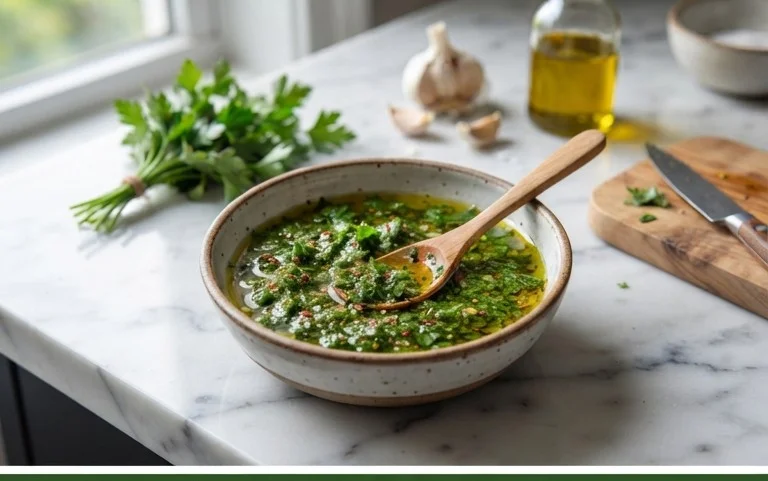
Chimichurri Sauce: The Vibrant Green Sauce That Elevates Everything
There are some sauces that are so versatile, so bursting with fresh flavor, that they quickly become a staple in your kitchen. Chimichurri is one of those magical creations. Origin extractating from Argentina and Uruguay, this herbaceous and zesty sauce is traditionally served with grilled meats, particularly steak, but its bright, tangy, and slightly spicy profile makes it a perfect accompaniment to a wide array of dishes. Think grilled chicken, fish, roasted vegetables, even as a flavorful dressing for salads or a dip for bread. Making your own chimichurri is incredibly simple, and the difference in taste compared to store-bought versions is truly remarkable. It’s a quick way to add a punch of fresh, vibrant flavor to any meal. Let’s dive into how you can whip up this delicious condiment yourself.
Ingredients:
Making Your Chimichurri: A Step-by-Step Guide
The beauty of chimichurri lies in its simplicity. It’s a no-cook sauce that relies on fresh, quality ingredients and a good chop. You can achieve a wonderfully textured sauce by hand or with the help of a food processor. I personally prefer a slightly rustic, hand-chopped texture, as it gives you more control over the fineness of the herbs and aromatics. However, if you’re short on time or prefer a smoother consistency, a food processor is your best friend.
Step 1: Prepare Your Aromatics
Begin extract by finely mincing your garlic cloves. You want them to be as small as possible so they distribute evenly throughout the sauce and their flavor is well-integrated without being overpowering in any single bite. If you’re using a food processor, you can roughly chop them before adding them to the machine. Next, finely mince the red onion (or shallot). Red onion offers a bit more bite and color, while shallots provide a milder, more delicate sweetness. Whichever you choose, aim for a fine dice.
Step 2: Chop Your Fresh Herbs
This is where the vibrant green color and fresh flavor of your chimichurri truly come to life. Thoroughly wash and dry your fresh parsley and cilantro. It’s crucial that they are dry to prevent the sauce from becoming watery. Remove any thick stems from the parsley, as these can be tough and less flavorful. If you are using fresh oregano, give it a fine chop as well. If you are using dried oregano, you will add it later with the liquids. Pack your herbs tightly as you measure them to ensure you have the correct amount for a robust flavor. Finely chop all the herbs. If you are using a food processor, you can pulse these herbs first to break them down into smaller pieces before adding the other ingredients.
Step 3: Combine Wet Ingredients and Seasonings
In a medium bowl, whisk together the red grape juice vinegar and fresh lemon juice. The vinegar provides that essential tang, while the lemon juice adds another layer of brightness. Red grape juice vinegar has a slightly sweeter and fruitier note than a standard red grape juice vinegar, but if you don’t have it, red grape juice vinegar is a perfectly acceptable substitute. Add the salt and optional red pepper flakes to this mixture. Stir until the salt is dissolved. If you opted for dried oregano, add it now to allow it to rehydrate slightly in the acidic liquid.
Step 4: Emulsify the Sauce
Now it’s time to bring it all together. Add your finely minced aromatics and chopped fresh herbs to the bowl with the vinegar and lemon juice mixture. Gently stir to combine. Slowly drizzle in the olive oil while continuously stirring. This process is called emulsification, where the oil and liquid ingredients bind together to create a cohesive sauce. Continue to stir until the oil is fully incorporated. If you are using a food processor, add all the ingredients except the olive oil and pulse until finely chopped. Then, with the processor running, slowly stream in the olive oil until the sauce is emulsified.
Step 5: Taste and Adjust
This is perhaps the most important step for achieving chimichurri perfection. Taste your sauce! Does it need more salt? A little more tang from the vinegar or lemon juice? Perhaps a bit more heat from the red pepper flakes? Chimichurri is all about balance, and personal preference plays a big role. Additions can be made to suit your palate. For instance, if you find it too acidic, a touch more olive oil can help to mellow it out. If it’s not zesty enough, add another squeeze of lemon. The goal is a bright, herbaceous, slightly tangy, and well-seasoned sauce.
Serving and Storing Your Chimichurri
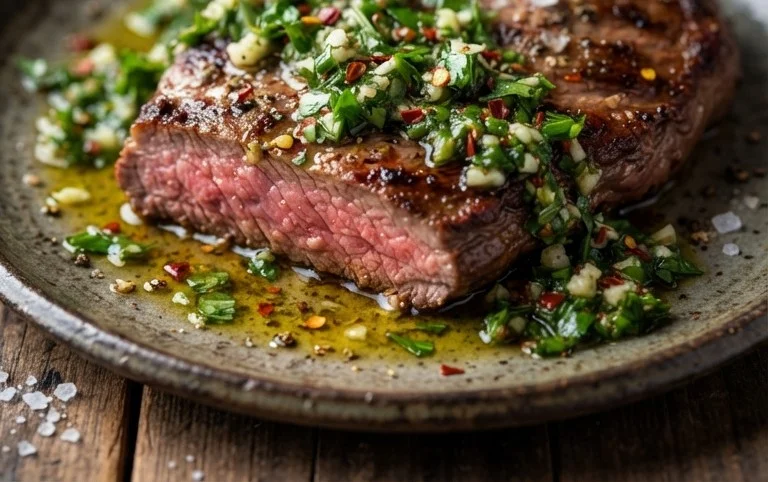
Once you’re happy with the flavor, your chimichurri is ready to be enjoyed. You can serve it immediately, allowing the flavors to meld further. For the best flavor, I recommend letting it sit for at least 30 minutes at room temperature, or even better, refrigerate it for an hour or two before serving to allow all those fresh flavors to fully develop and meld together. It’s truly a revelation when served alongside a perfectly grilled steak, but don’t stop there! Drizzle it over grilled chicken or fish, toss it with roasted vegetables, use it as a vibrant dressing for a grain salad, or simply serve it with crusty bread for dipping.
Storing your chimichurri is straightforward. Keep it in an airtight container in the refrigerator. It will typically last for up to a week, though the fresh herbs will gradually lose some of their vibrancy over time. The flavor, however, will remain delicious. If you notice the oil separating slightly after refrigeration, simply give it a good stir before serving. Making your own chimichurri is a rewarding culinary experience that adds a burst of freshness to countless dishes. Enjoy!
Conclusion:
I hope you’ve enjoyed learning how to make this vibrant and incredibly versatile Chimichurri Sauce! This recipe is a true winner because it’s bursting with fresh, herbaceous flavors that elevate everything it touches. It’s surprisingly simple to whip up, requiring minimal effort for a massive flavor payoff. Whether you’re grilling steak, chicken, or vegetables, or even looking for a zesty salad dressing, this chimichurri is your new go-to. Its bright, zesty profile cuts through richness beautifully and adds a refreshing counterpoint to many dishes.
Don’t be afraid to experiment! While the classic recipe is fantastic, consider adding a pinch of red pepper flakes for a little heat, or even some chopped parsley for an extra layer of green goodness. Try it on grilled fish, roasted potatoes, or even spread on a sandwich for an instant flavor upgrade. I genuinely encourage you to give this delicious chimichurri sauce a try – I’m confident you’ll be hooked!
Frequently Asked Questions about Chimichurri Sauce:
Why is my chimichurri a bit watery?
This can happen if you’ve processed the ingredients too finely, releasing too much liquid. Next time, try chopping the herbs and garlic by hand for a coarser texture, or simply let the sauce sit for longer in the refrigerator; it will thicken slightly as the flavors meld and the oil emulsifies with the vinegar.
Can I make chimichurri ahead of time?
Absolutely! Chimichurri sauce actually tastes even better the next day as the flavors have more time to meld and develop. Store it in an airtight container in the refrigerator for up to a week. The vibrant green color might deepen slightly, but the flavor will remain excellent.
What’s the difference between Argentinian and Uruguayan chimichurri?
While often used interchangeably, traditional Argentinian chimichurri typically leans more heavily on parsley, while Uruguayan versions might incorporate more oregano and sometimes include a touch of chili pepper for a subtle warmth. However, both are wonderfully herbaceous and delicious!
Chimichurri Sauce
A vibrant and herbaceous Argentinian sauce, perfect for grilled meats and vegetables. This recipe uses a flavorful blend of fresh herbs, garlic, vinegar, and olive oil. Adjust spice and salt to your preference.
Ingredients
-
1 1/2 cups well packed (42g) fresh parsley
-
1/2 cup well packed (20g) fresh cilantro
-
1/4 cup (9g) fresh oregano or 1 tsp dried
-
1/4 small red onion or one small shallot
-
3 garlic cloves
-
3 Tbsp red grape juice vinegar
-
2 Tbsp fresh lemon juice
-
1/2 tsp salt
-
1/4 tsp red pepper flakes
-
3/4 cup olive oil
Instructions
-
Step 1
Finely chop the fresh parsley, cilantro, oregano, red onion (or shallot), and garlic. If using a food processor, pulse until finely minced but not puréed. -
Step 2
In a medium bowl, combine the chopped herbs, onion/shallot, and garlic. -
Step 3
Add the red grape juice vinegar, fresh lemon juice, salt, and red pepper flakes (if using) to the bowl. Stir to combine. -
Step 4
Slowly drizzle in the olive oil while whisking continuously until the sauce is emulsified and well combined. -
Step 5
Taste the chimichurri and add more salt, vinegar, lemon juice, or red pepper flakes as needed to achieve your desired flavor. -
Step 6
For best results, let the chimichurri sit at room temperature for at least 30 minutes to allow the flavors to meld. It can also be refrigerated for up to a week.
Important Information
Nutrition Facts (Per Serving)
It is important to consider this information as approximate and not to use it as definitive health advice.
Allergy Information
Please check ingredients for potential allergens and consult a health professional if in doubt.